Service directory

Find the service that matches the symptom — Page 2

Start with the system or warning sign you recognize. Each service page explains what a professional diagnosis should establish before parts are replaced.

Use this directory when you know the affected system, have a dashboard warning, or want to understand an estimate. A service page is not a remote diagnosis: it explains the observations, measurements, and questions that help separate similar symptoms before work is authorized.

If the cause is unclear, begin with general auto repair planning or check-engine-light diagnostics rather than selecting a component from a code description. Stop driving and seek qualified help for overheating, smoke, fuel odor, severe shaking, rapidly changing noise, or loss of braking or steering.

Choose the next step

Choose the clearest starting point

You do not need to know the failed part. Start with the symptom, vehicle, likely budget, or the kind of provider you need.

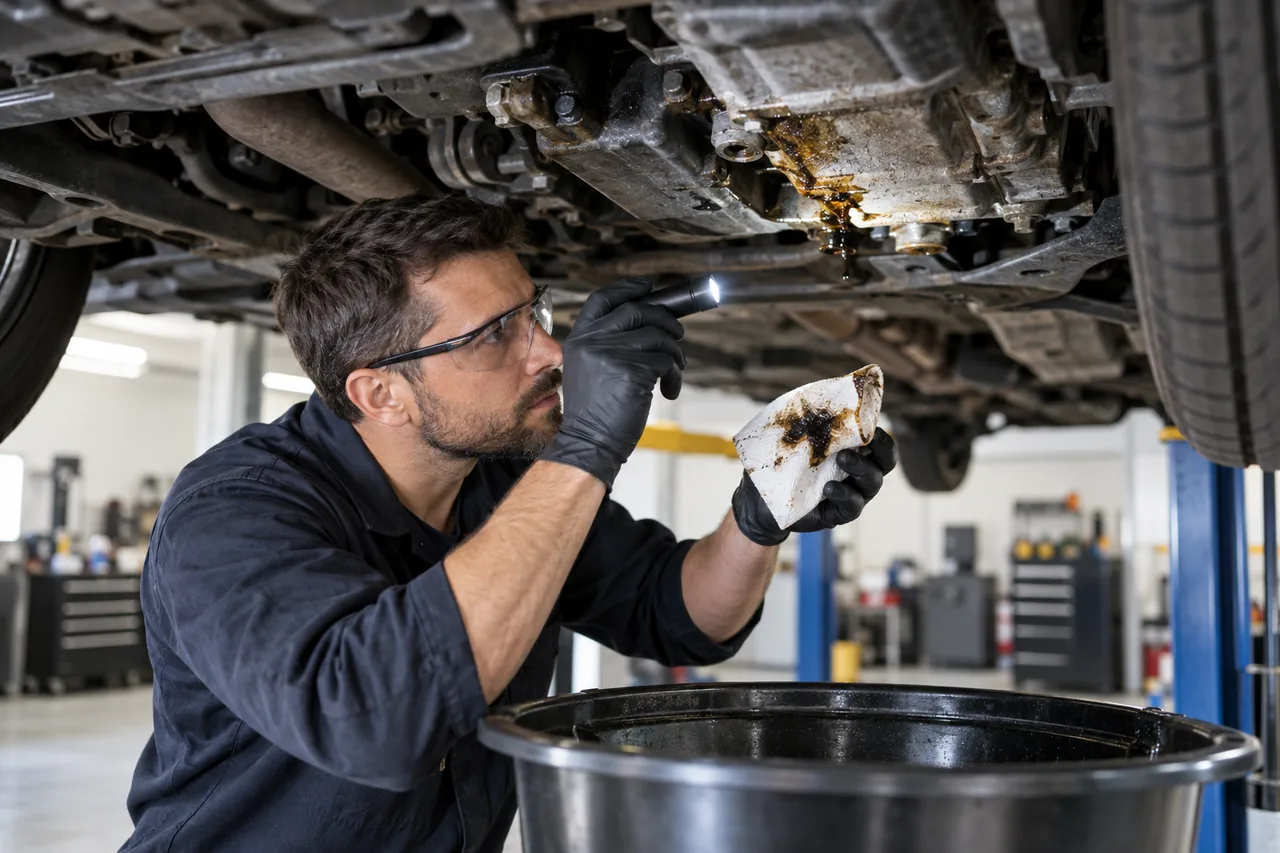
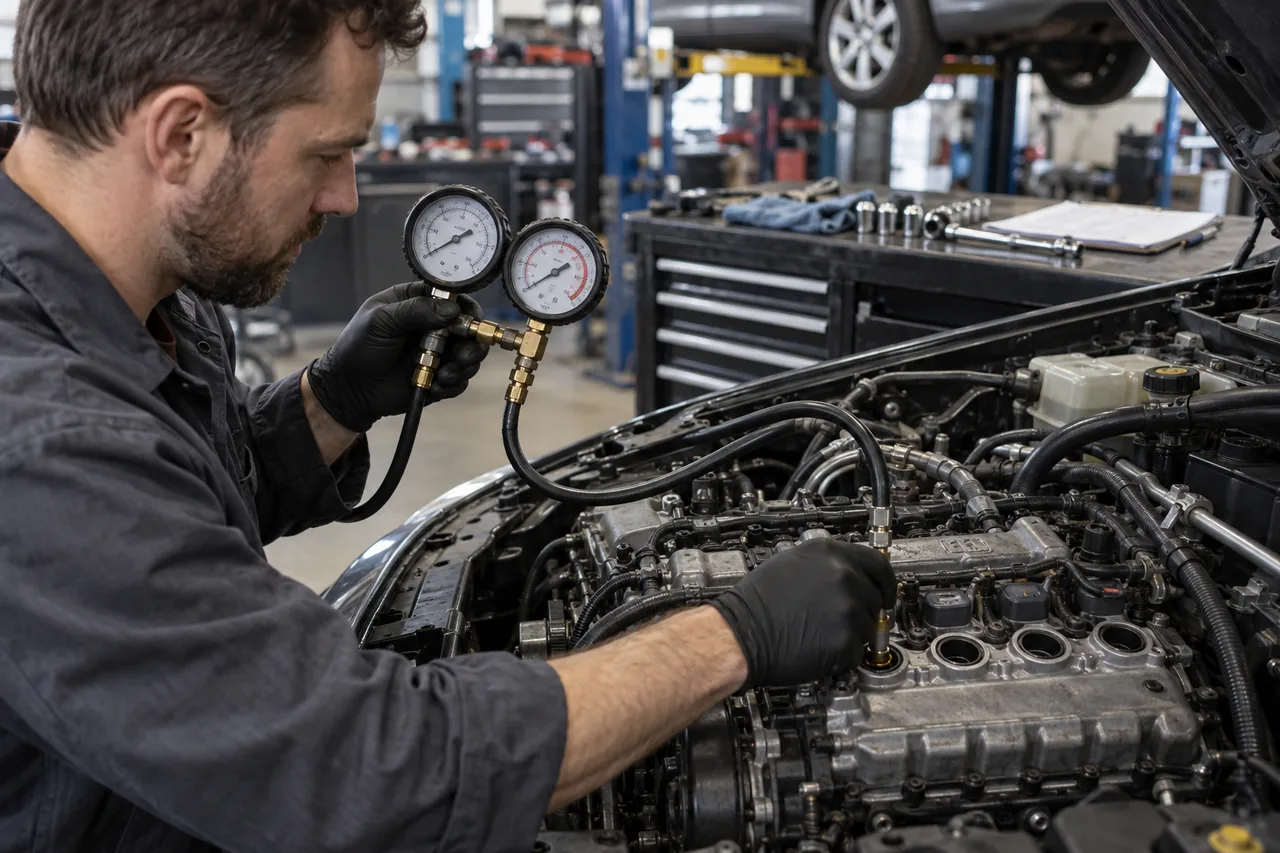
Engine-mechanical diagnosis

Prove the mechanical failure and its cause before choosing an engine repair

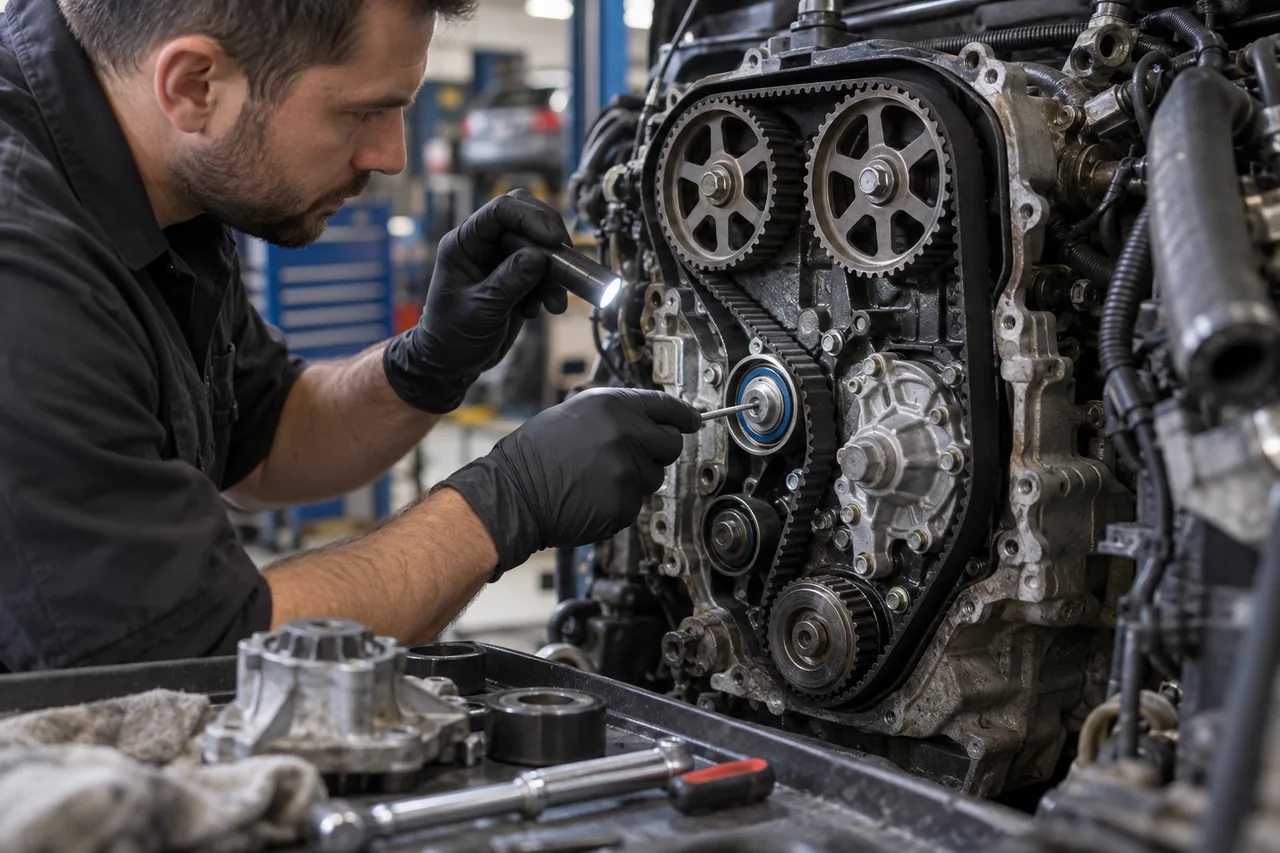
Noise, oil consumption, smoke, low compression, overheating, misfire, metal debris, or a timing-related code can point toward internal engine work, but each can also be produced or worsened by external systems. A responsible plan establishes the failure, cause, damage extent, repair options, and verification method before major disassembly.

Read guide

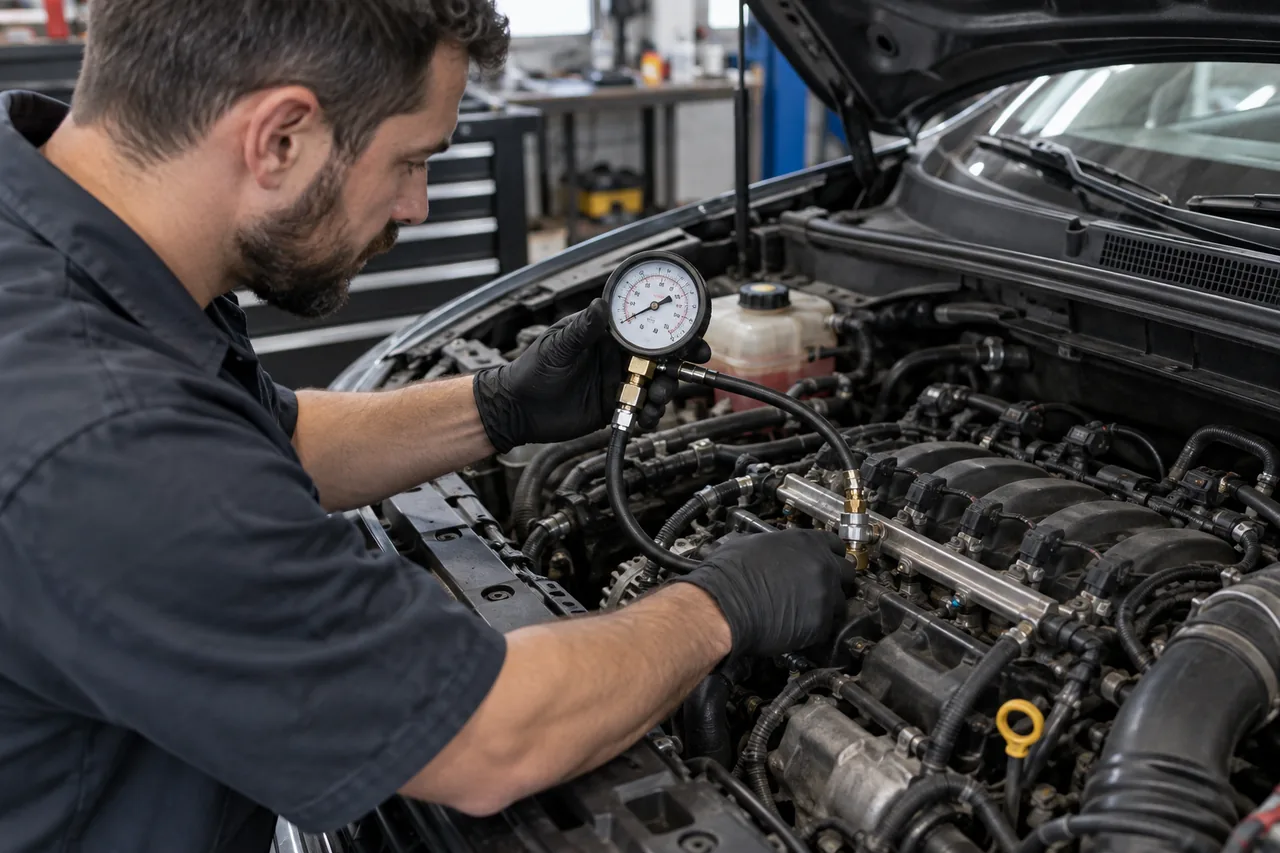
Fuel delivery diagnosis

Prove the fuel-delivery fault before replacing a pump

A crank-no-start, stall, hesitation, low power, noise, pressure code, or lean condition can involve fuel quantity or quality, electrical supply, an in-tank pump, controller, filter, regulator, pressure sensor, high-pressure pump, injector, air metering, ignition, compression, or engine control. The word “fuel” in a symptom or code does not identify the failed part.

Read guide

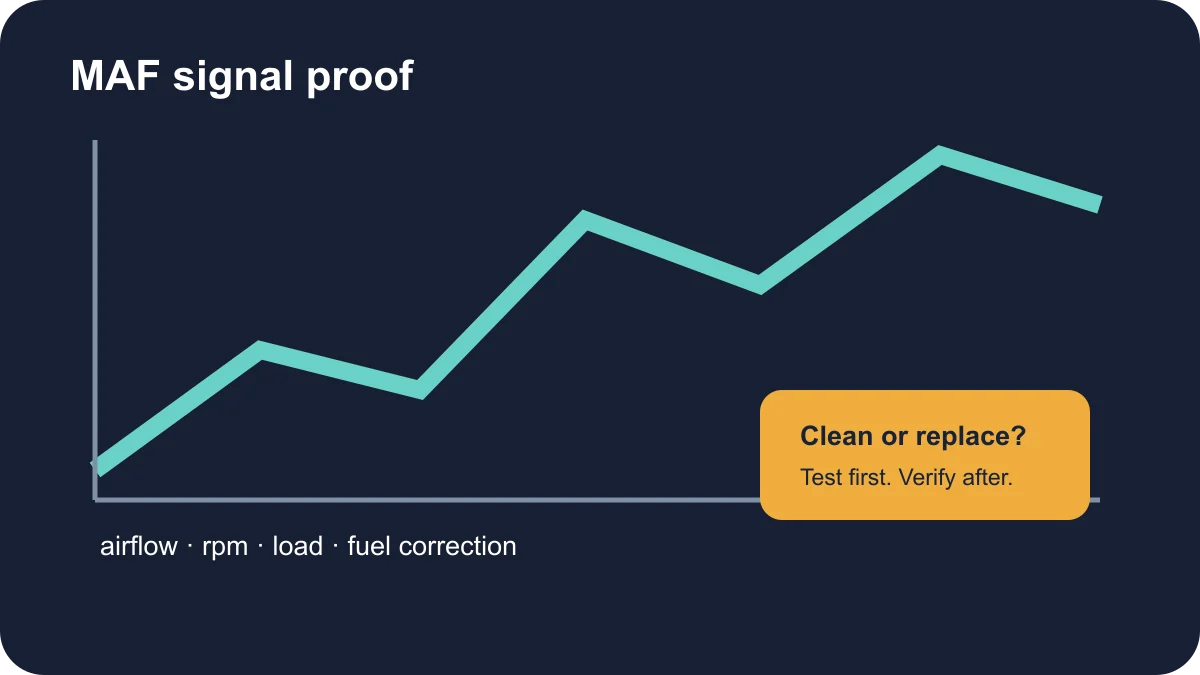
Engine management service

Test airflow, fuel correction, and the intake before MAF service

Mass air flow service is not automatically sensor cleaning or replacement. Intake leaks, air-filter installation, wiring, contamination, fuel delivery, exhaust sampling, EGR operation, or mechanical faults can produce similar symptoms and data, so the repair must match more than one observation.

Read guide