

Service directory

Find the service that matches the symptom

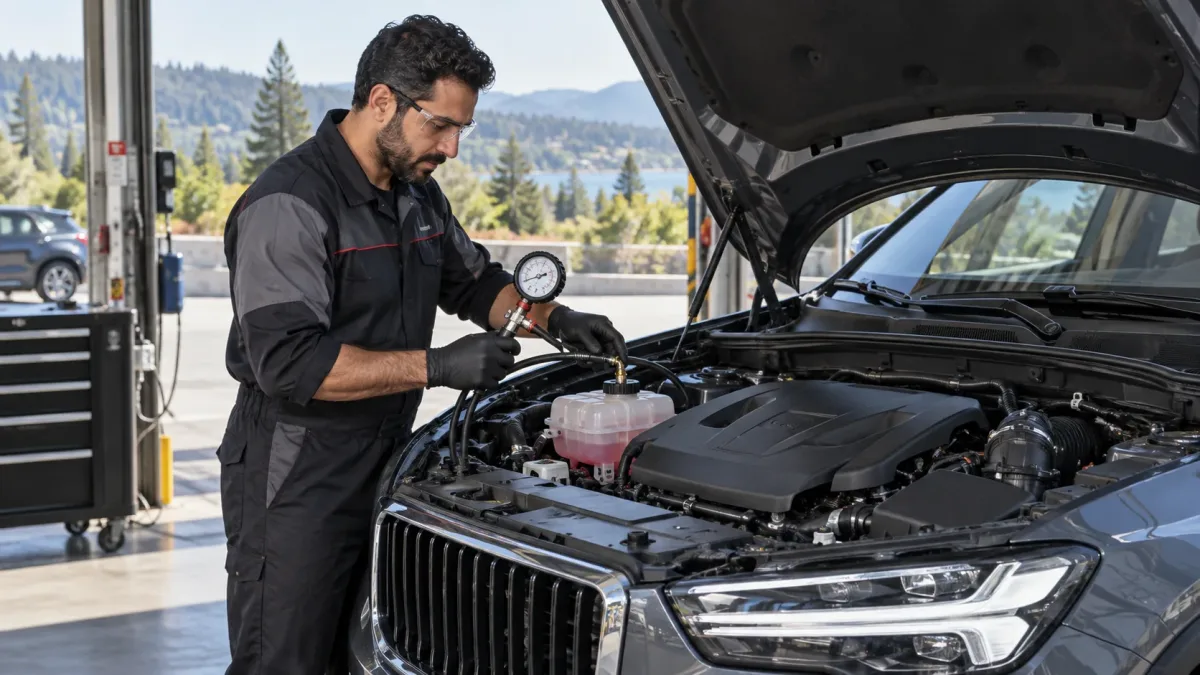
Start with the system or warning sign you recognize. Each service page explains what a professional diagnosis should establish before parts are replaced.

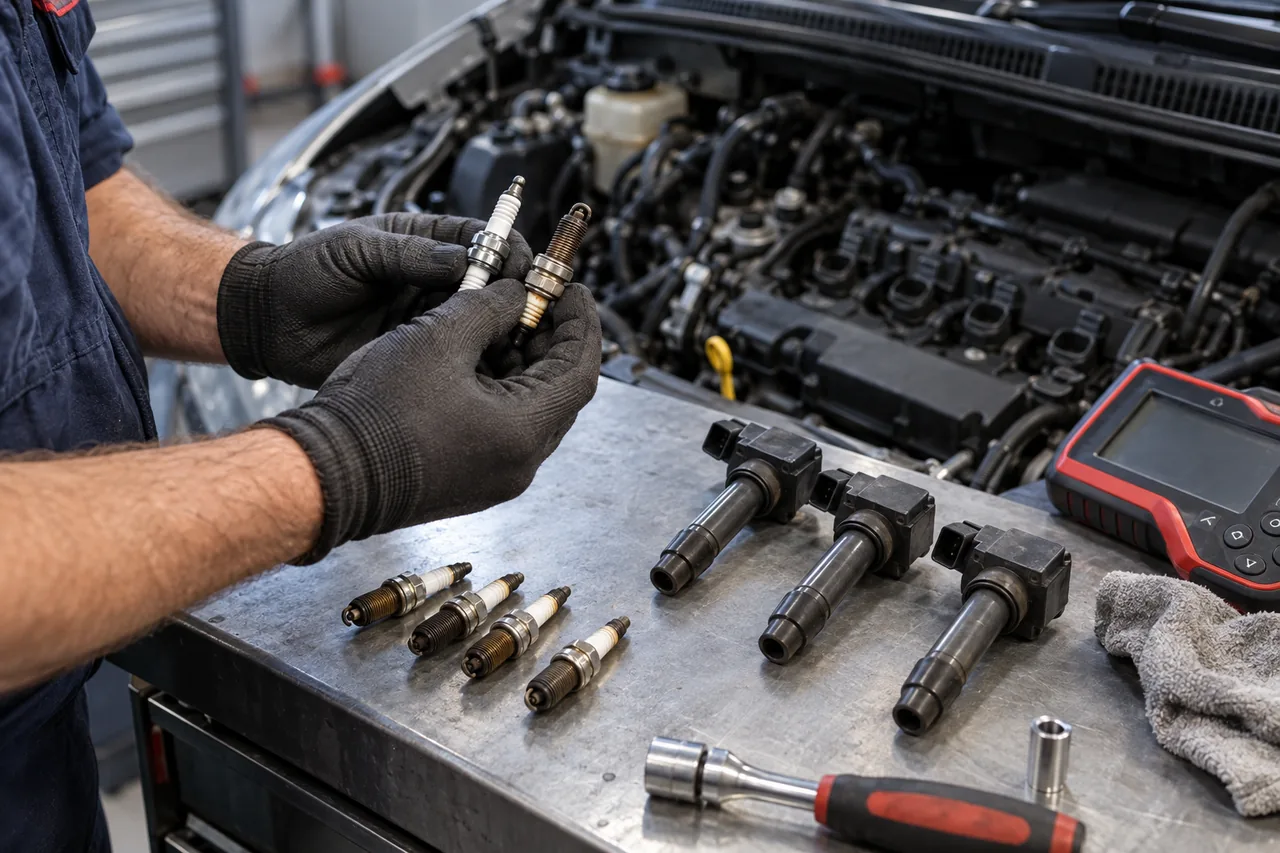
Use this directory when you know the affected system, have a dashboard warning, or want to understand an estimate. A service page is not a remote diagnosis: it explains the observations, measurements, and questions that help separate similar symptoms before work is authorized.

If the cause is unclear, begin with general auto repair planning or check-engine-light diagnostics rather than selecting a component from a code description. Stop driving and seek qualified help for overheating, smoke, fuel odor, severe shaking, rapidly changing noise, or loss of braking or steering.

Climate system

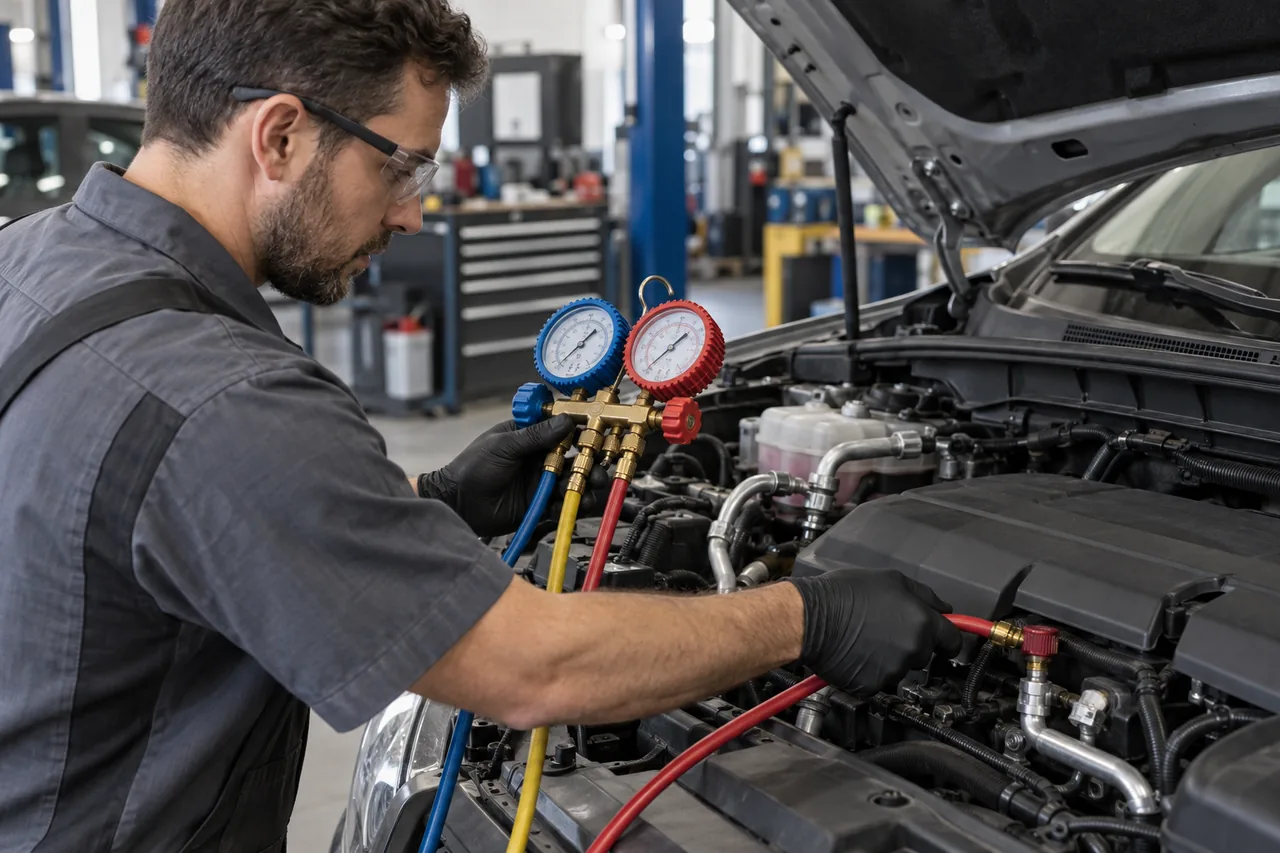
SeaTac auto A/C repair starts with airflow, temperature, and leak evidence

When cooling fades in SeaTac or Seattle traffic, the first task is to separate weak airflow from weak refrigeration and control faults. Refrigerant charge, leakage, compressor operation, sensors, fans, electrical control, air doors, and heat entering the cabin can overlap; adding refrigerant without a baseline can hide the actual failure.

Read guide

Fuel delivery diagnosis

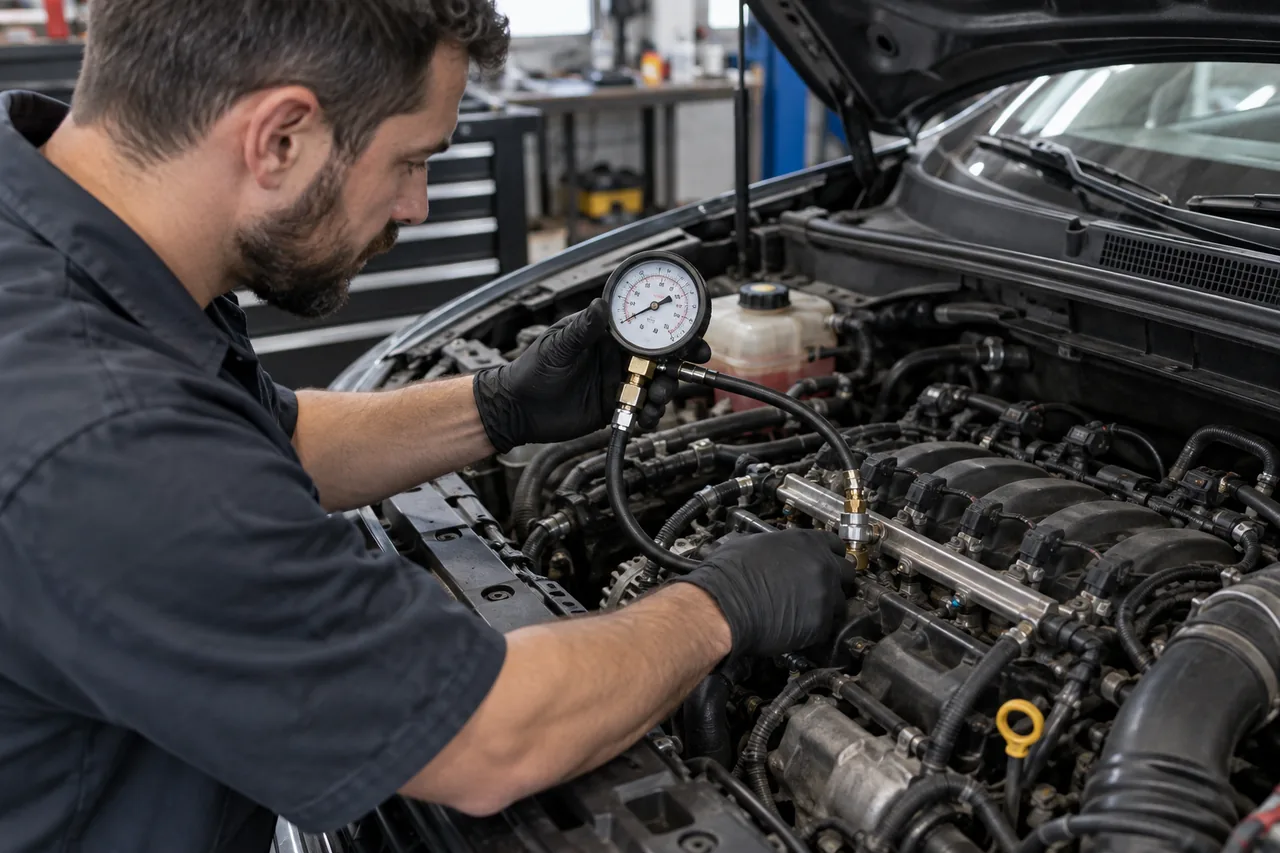
Prove the fuel-delivery fault before replacing a pump

A crank-no-start, stall, hesitation, low power, noise, pressure code, or lean condition can involve fuel quantity or quality, electrical supply, an in-tank pump, controller, filter, regulator, pressure sensor, high-pressure pump, injector, air metering, ignition, compression, or engine control. The word “fuel” in a symptom or code does not identify the failed part.

Read guide