

Guide library

Understand the system before choosing the repair

These guides explain what a symptom may indicate, what testing can distinguish, and when professional help is the safer next step.

Guides are organized around repair decisions rather than quick part replacement. Each complete guide defines the system, separates symptoms from causes, explains useful tests, identifies safety limits, and describes how to verify the outcome. Sources and limitations are included where they materially affect the decision.

Use a guide to prepare questions and recognize a defensible process—not to bypass equipment, service information, or professional judgment. Vehicle configuration and previous work can change the correct procedure, and an active safety or overheating condition should be inspected directly rather than diagnosed from a page.

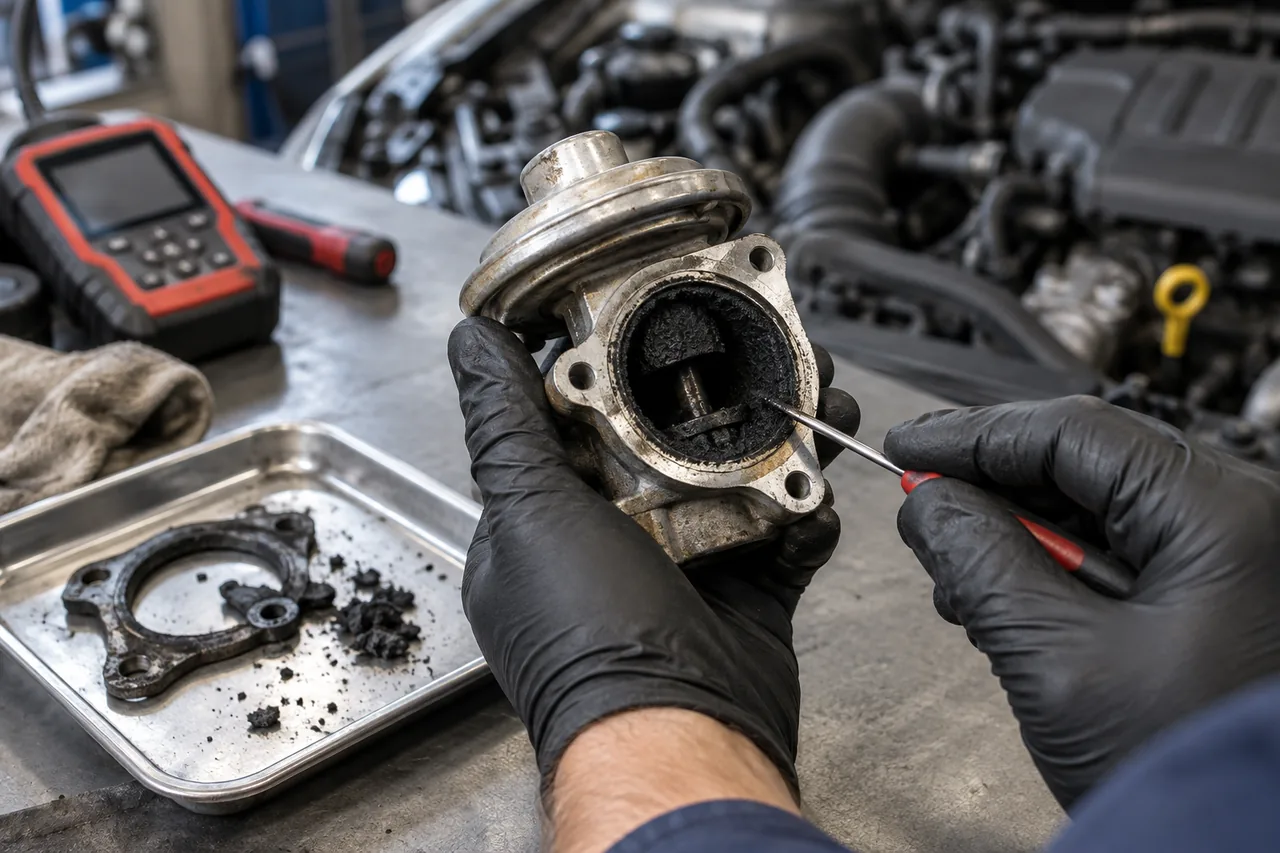
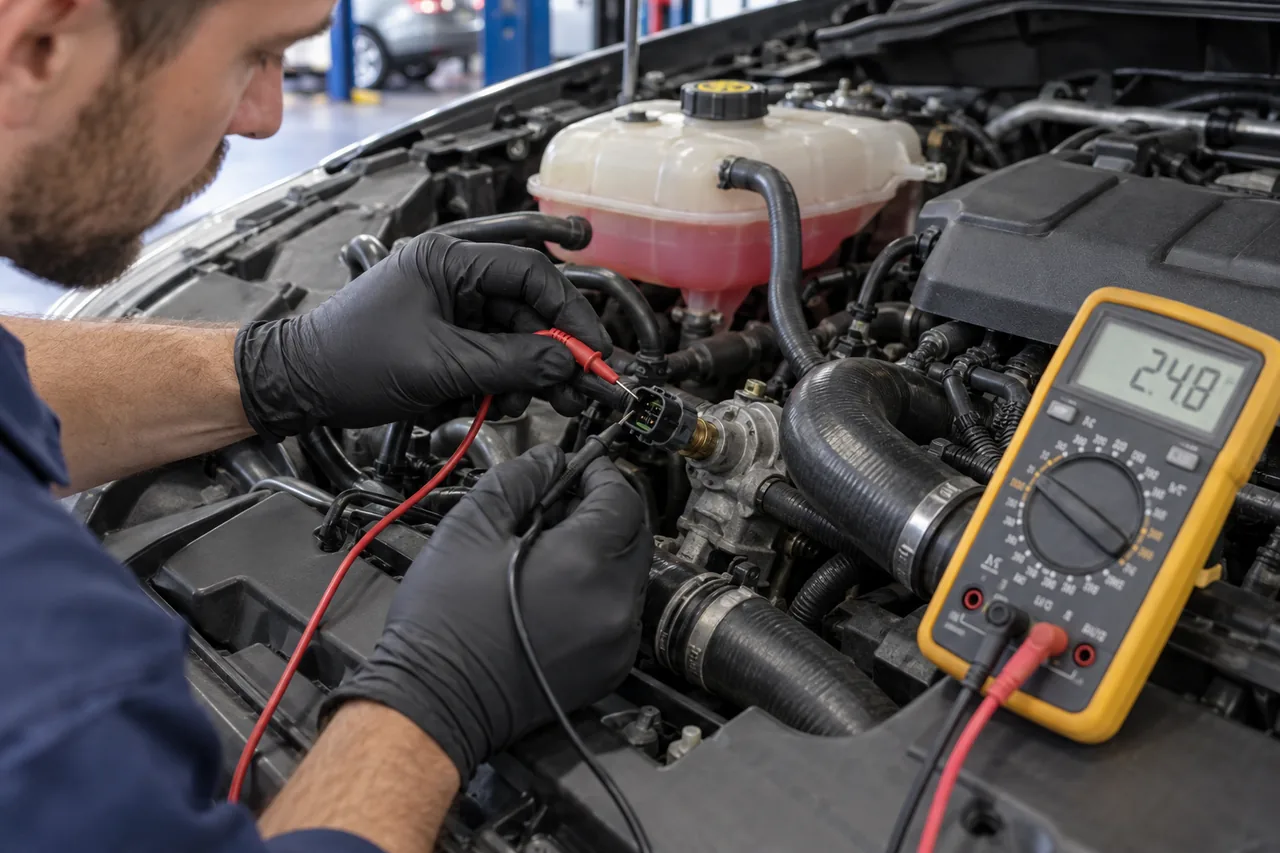
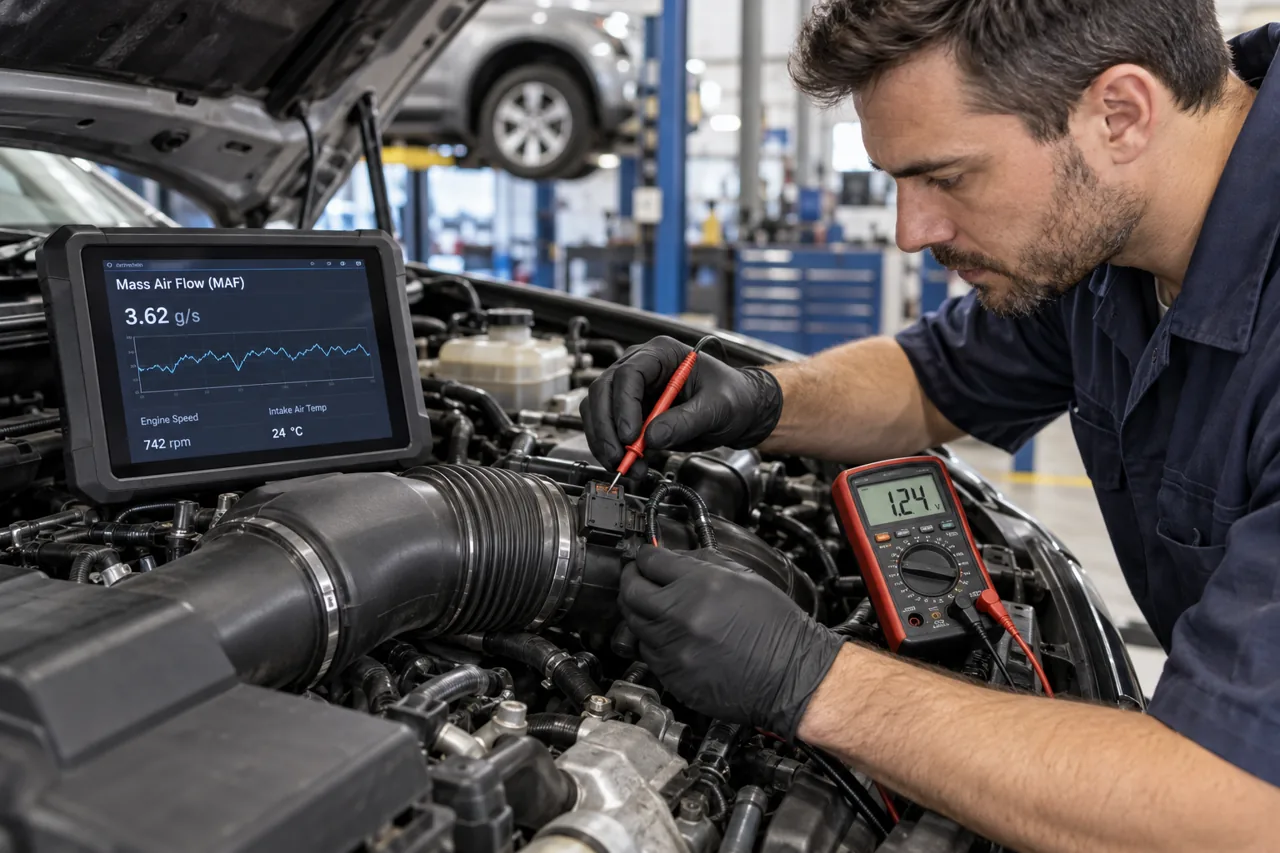
The initial library restores water-pump, EGR, coolant-temperature-sensor, camshaft, and mass-airflow topics that had historical visibility. Brakes, electrical systems, fluids, and other recovered subjects will be added one complete guide at a time rather than exposed as thin placeholders. Each release must remain independently useful.

Low-voltage electrical guide

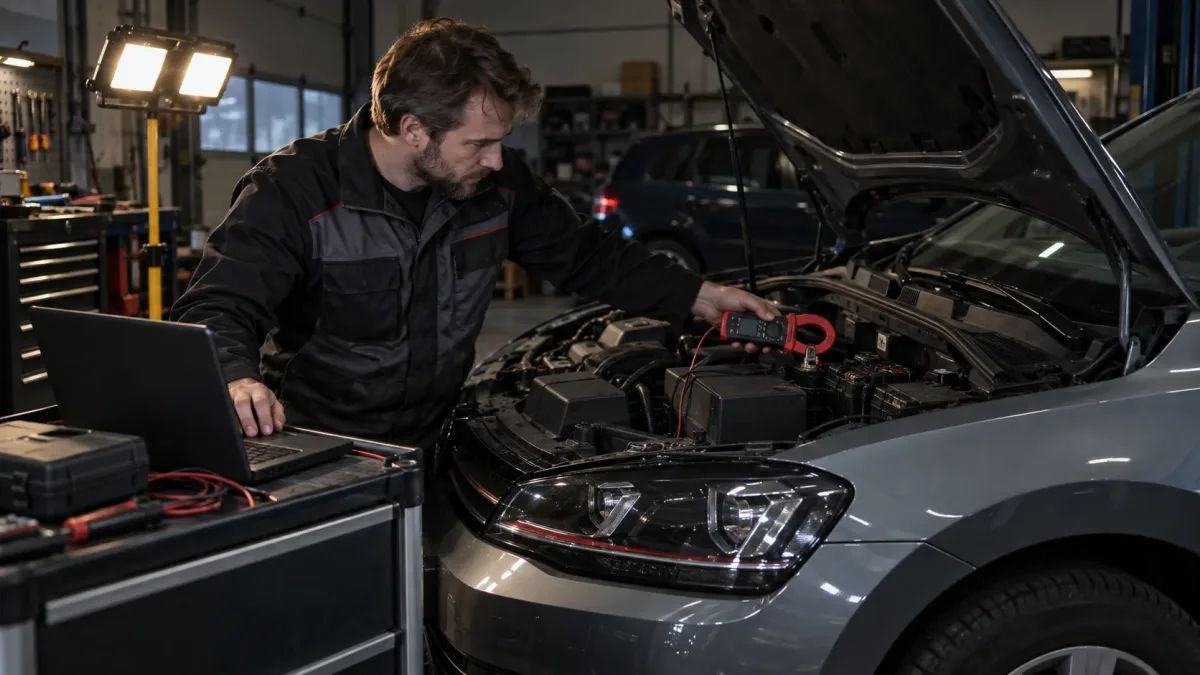
Test the battery, starting circuit, charging control, connections, and vehicle loads as one system

A discharged battery, slow crank, warning lamp, repeated jump-start, low-voltage code, or charging complaint can involve battery condition and charge, terminal resistance, grounds, starter load, alternator or DC-DC output, belt drive, power management, software, parasitic draw, driving pattern, or an accessory. One voltage reading does not identify which relationship failed.

Read guide

Climate-control technical guide

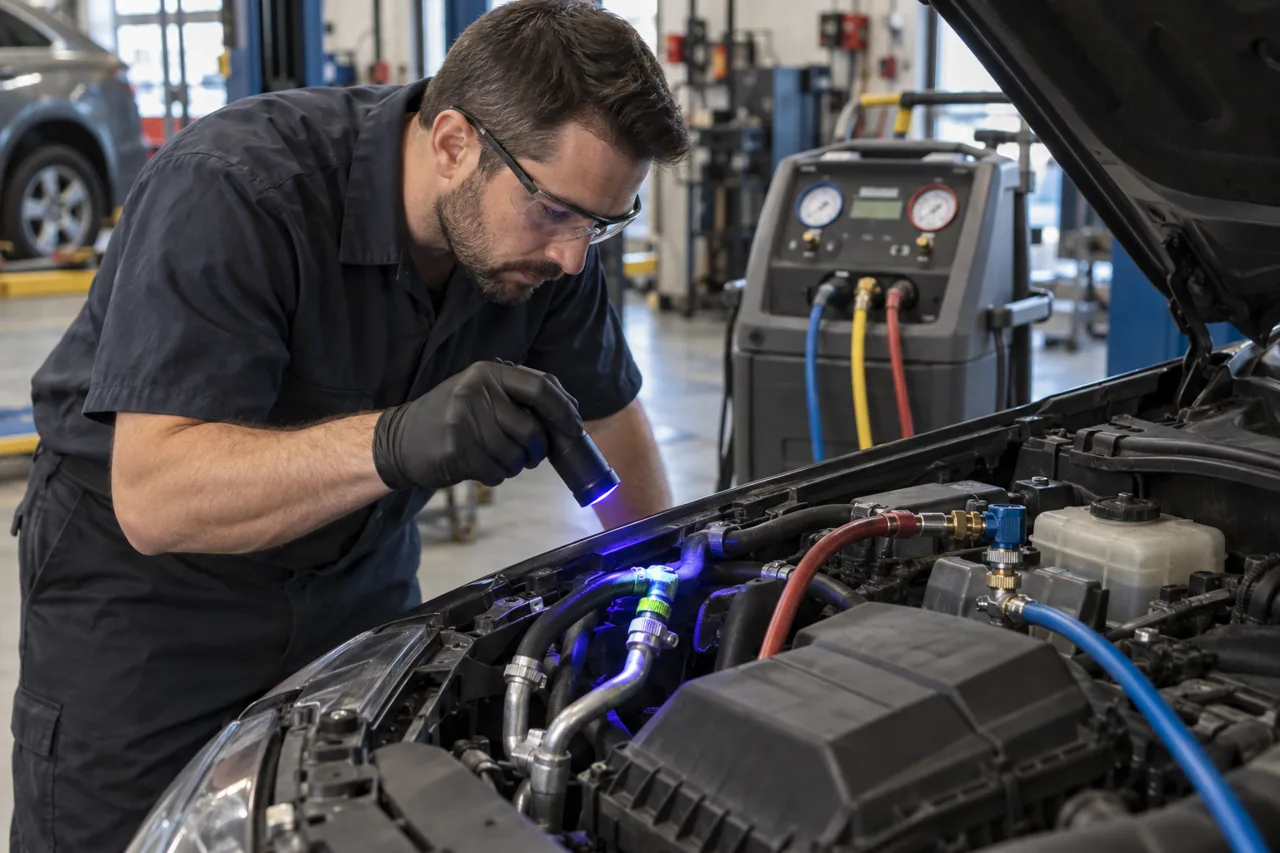
A recharge restores a specified refrigerant mass; it does not explain why cooling was lost

Weak or intermittent air conditioning can involve refrigerant quantity or contamination, leakage, airflow, temperature and pressure sensing, fans, valves, compressor command or internal condition, electrical supply, software, or thermal-management strategy. A compressor noise or low charge is evidence within the system—not automatic proof that one component or a can of refrigerant is the complete repair.

Read guide

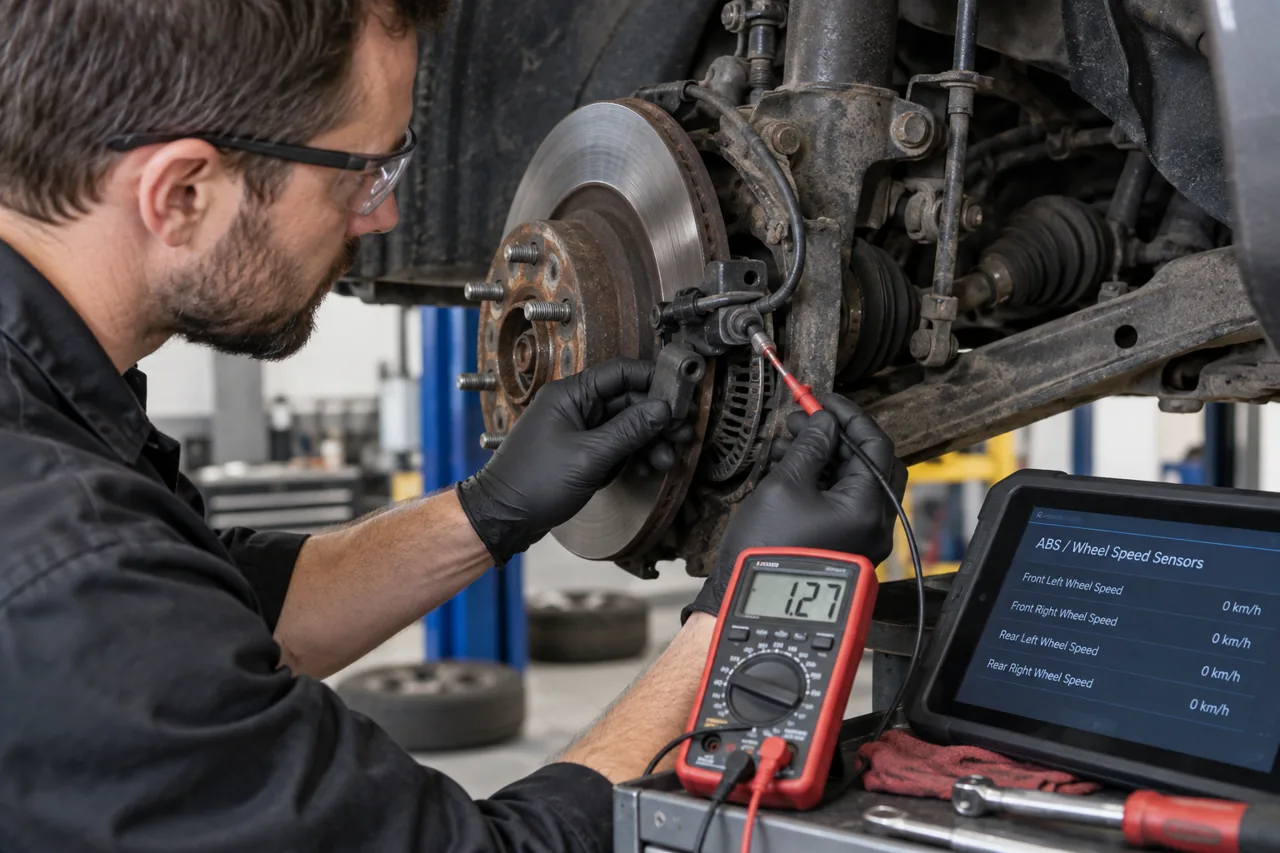
Brake and stability-system guide

An ABS sensor code identifies a wheel-speed signal problem—not automatically a failed sensor

Wheel-speed information supports antilock braking, traction control, stability control, and other networked functions. A warning or code can result from the sensor, supply or ground, wiring, connector, installation gap, encoder or tone ring, wheel bearing, tire differences, module input, mechanical condition, or calibration. Diagnosis should compare the complete relationship before replacing a part.

Read guide